How to Create a photography exhibition
Putting on your first photography exhibition can be both exhilarating and intimidating. From selecting a venue to dealing with the nitty-gritty of printing and assembling large prints, this process in...

Putting on your first photography exhibition can be both exhilarating and intimidating. From selecting a venue to dealing with the nitty-gritty of printing and assembling large prints, this process involves more than just showcasing great photos. In January 2025, I had the incredible opportunity to mount my first solo photography exhibition, titled“The Straits: Detroit in Motion”, at a newly opened venue calledMoondog Caféin Detroit. Here’s a detailed account of what I learned, as well as practical tips to help you plan your own successful photography show.
1. Selecting the Perfect Venue
Location matters.When you decide to put on your first photography exhibition, one of the biggest questions to answer is: “Where should I host it?” A good venue will not only complement your artwork but also attract the right audience for your style and theme.
For my show, I was very fortunate that my friends had recently openedMoondog Caféin Detroit and kindly allowed me to display my photographs there. This café is situated in a vibrant area, close to local art and music scenes, which naturally helped attract visitors who have a deep appreciation for creative works.
Tip #1: Look for High-Traffic AreasIf you don’t have a ready-made connection like I did, look for cafés, galleries, community centers, or coworking spaces that enjoy a steady flow of visitors. The more foot traffic, the higher your exhibition’s visibility.Tip #2: Negotiate the DetailsDiscuss the venue’s operational hours, wall space, lighting, and how long you can keep your exhibition up. Make sure the walls can accommodate your specific print sizes, especially if you plan on showcasing large pieces.Tip #3: Factor in Venue AmbianceA location that matches the mood of your photography enhances the overall experience. Since my photographs focused on Detroit’s dynamic culture and industrial landscape, the casual yet artistic vibe of Moondog Café fit perfectly with the city-centric theme.
Tip #1: Look for High-Traffic AreasIf you don’t have a ready-made connection like I did, look for cafés, galleries, community centers, or coworking spaces that enjoy a steady flow of visitors. The more foot traffic, the higher your exhibition’s visibility.
Tip #2: Negotiate the DetailsDiscuss the venue’s operational hours, wall space, lighting, and how long you can keep your exhibition up. Make sure the walls can accommodate your specific print sizes, especially if you plan on showcasing large pieces.
Tip #3: Factor in Venue AmbianceA location that matches the mood of your photography enhances the overall experience. Since my photographs focused on Detroit’s dynamic culture and industrial landscape, the casual yet artistic vibe of Moondog Café fit perfectly with the city-centric theme.
2. Selecting Photos with a Unifying Theme
Before you even begin thinking about frames and printing, spend time curating aunifying themefor your exhibition. For me, it was crucial to tell acohesive storyabout Detroit’s past, present, and future, especially reflecting on how its culture interconnects with its industrial heritage. That’s how I settled on“The Straits: Detroit in Motion”as my show’s title.
Tip #1: Brainstorm and RefineWrite down your main ideas. Is your series about nature? Urban architecture? People’s daily lives? Once you pinpoint what resonates with you, narrow it down to the shots that exemplify that narrative most powerfully.Tip #2: Visual ConsistencyA unifying theme often includes consistent color grading, composition style, or subject matter. For example, my pictures incorporated industrial motifs (like factories and assembly lines) alongside everyday street scenes, thus weaving a story of how Detroit’s industry shapes the city’s cultural pulse.Tip #3: Tell a StoryEach photo should connect to a larger narrative. By offering glimpses of Detroit’s bustling streets, historic buildings, and cultural landmarks, I aimed to highlight the city’s resilience, soul, and ongoing transformation.

Tip #1: Brainstorm and RefineWrite down your main ideas. Is your series about nature? Urban architecture? People’s daily lives? Once you pinpoint what resonates with you, narrow it down to the shots that exemplify that narrative most powerfully.
Tip #2: Visual ConsistencyA unifying theme often includes consistent color grading, composition style, or subject matter. For example, my pictures incorporated industrial motifs (like factories and assembly lines) alongside everyday street scenes, thus weaving a story of how Detroit’s industry shapes the city’s cultural pulse.
Tip #3: Tell a StoryEach photo should connect to a larger narrative. By offering glimpses of Detroit’s bustling streets, historic buildings, and cultural landmarks, I aimed to highlight the city’s resilience, soul, and ongoing transformation.
3. Printing Photos and Canvas: My Experience with DK Canvas
One of the largest expenses—and arguably the most critical aspect—of any exhibition is theprinting process. You want your photos to look their best, both in terms of color accuracy and professional finish. I took a leap of faith withDK Canvas on AliExpress, and it paid off hugely.
Cost and DeliveryI spent a total of$1,400to print 15 images. Some prints were as wide as6 feet, complete with frames. Despite the size and complexity, DK Canvas managed to deliver them within two weeks, which was far quicker than I expected for such an order.Print QualityThe print quality exceeded my expectations. Colors were vibrant, details were sharp, and the canvas felt durable. Whether you choose an online service or a local print shop, make sure to test smaller prints first to gauge the quality and color fidelity.Choosing the Right Paper or CanvasCanvas offers a distinct texture and durability, great for urban and industrial themes. If your style is more fine art or portrait-focused, you might prefer different papers, such as a matte or glossy photo paper, or even metal prints.Frames or No Frames?My canvases arrived with frames included, making the entire process much simpler. If you’re printing photos on paper, you might need to get them framed separately.Budgetfor frames, as this cost can be significant if you have many pieces.
Cost and DeliveryI spent a total of$1,400to print 15 images. Some prints were as wide as6 feet, complete with frames. Despite the size and complexity, DK Canvas managed to deliver them within two weeks, which was far quicker than I expected for such an order.
Print QualityThe print quality exceeded my expectations. Colors were vibrant, details were sharp, and the canvas felt durable. Whether you choose an online service or a local print shop, make sure to test smaller prints first to gauge the quality and color fidelity.

Choosing the Right Paper or CanvasCanvas offers a distinct texture and durability, great for urban and industrial themes. If your style is more fine art or portrait-focused, you might prefer different papers, such as a matte or glossy photo paper, or even metal prints.
Frames or No Frames?My canvases arrived with frames included, making the entire process much simpler. If you’re printing photos on paper, you might need to get them framed separately.Budgetfor frames, as this cost can be significant if you have many pieces.
4. Assembling Large Prints
Having your prints arrive is one thing;assemblingthem correctly is another. I discovered that working withlarge, 6-foot-wide canvaseswas more challenging than I had anticipated, largely due to their sheer size.
Assembly InstructionsThe good news is that the step-by-step instructions provided by DK Canvas were straightforward. Typically, you’ll attach the canvas to a wooden stretcher frame, ensuring even tension across all corners.Logistical ChallengesFitting these large frames into the exhibition space required measuring the café’s walls, factoring in clearance around tables, and making sure I had help to lift and secure them.Venue FlexibilityMoondog Café was gracious enough to let me come in early or stay late to install the pieces during off-hours. If your venue doesn’t allow after-hours access, you might need to schedule the assembly and hanging during normal hours (which can be chaotic if customers are around).
Assembly InstructionsThe good news is that the step-by-step instructions provided by DK Canvas were straightforward. Typically, you’ll attach the canvas to a wooden stretcher frame, ensuring even tension across all corners.
Logistical ChallengesFitting these large frames into the exhibition space required measuring the café’s walls, factoring in clearance around tables, and making sure I had help to lift and secure them.
Venue FlexibilityMoondog Café was gracious enough to let me come in early or stay late to install the pieces during off-hours. If your venue doesn’t allow after-hours access, you might need to schedule the assembly and hanging during normal hours (which can be chaotic if customers are around).
5. Publicizing Your Exhibition
Even the most stunning exhibition falls flat if no one knows about it.Publicityis your chance to share your passion and attract an audience that cares about your work.
Online ListingsI started with a simple Google search for “Detroit events” and submitted my exhibition details to every local calendar or event board I could find. This free approach significantly expanded my reach.Local Arts MediaNext, I reached out to local arts editors and blogs, describing my theme and its relevance to Detroit’s culture. I was fortunate to be featured in the Metro Times, which gave me tremendous exposure.Social MediaLeverage platforms like Instagram and Facebook to build a countdown and share sneak peeks of your prints. Consistent updates can keep your audience engaged and excited.Word of MouthReach out to friends, family, and professional contacts. Personal invitations still go a long way, especially in tight-knit creative communities like Detroit’s.
Online ListingsI started with a simple Google search for “Detroit events” and submitted my exhibition details to every local calendar or event board I could find. This free approach significantly expanded my reach.
Local Arts MediaNext, I reached out to local arts editors and blogs, describing my theme and its relevance to Detroit’s culture. I was fortunate to be featured in the Metro Times, which gave me tremendous exposure.
Social MediaLeverage platforms like Instagram and Facebook to build a countdown and share sneak peeks of your prints. Consistent updates can keep your audience engaged and excited.
Word of MouthReach out to friends, family, and professional contacts. Personal invitations still go a long way, especially in tight-knit creative communities like Detroit’s.
6. Opening Night: Success and Gratitude
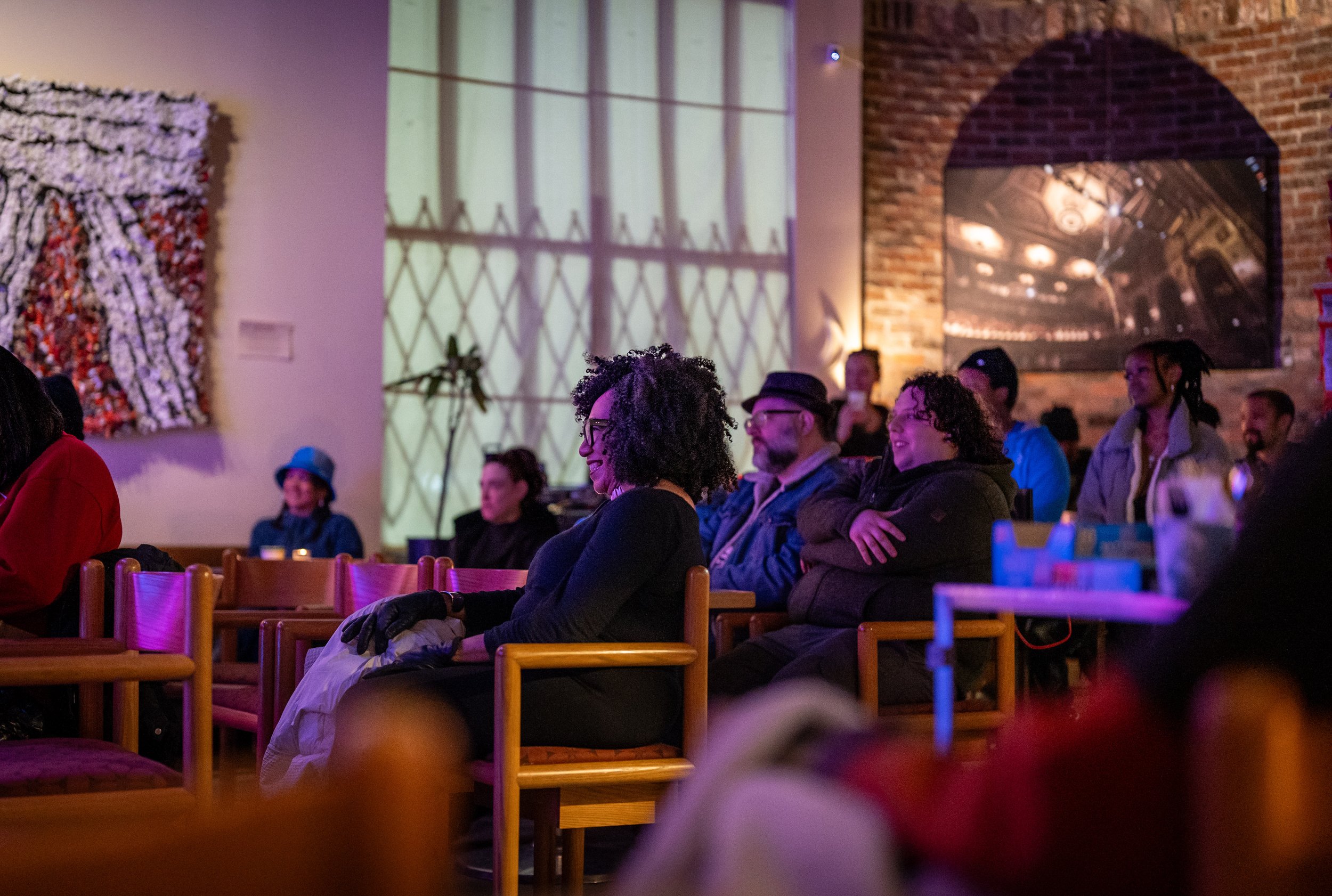
After weeks—sometimes months—of preparation, the opening night is both a culmination and a celebration of your hard work. My opening night at Moondog Café was an incredible experience, filled with a wide mix ofneighbors, friends, and representatives of Detroit’s cultural community.
Setting the AtmosphereI made sure there was soft background music, light refreshments, and a dedicated time for me to speak about the theme of the exhibition. This personal touch helps visitors connect more deeply with your work.NetworkingTake the opportunity to meet potential buyers, local artists, and journalists. Exchange contact information and be ready to explain the creative process behind your photos.Document the EventConsider hiring a friend or fellow photographer to capture the night. These images can be used in future promotional materials or on your website.
Setting the AtmosphereI made sure there was soft background music, light refreshments, and a dedicated time for me to speak about the theme of the exhibition. This personal touch helps visitors connect more deeply with your work.

NetworkingTake the opportunity to meet potential buyers, local artists, and journalists. Exchange contact information and be ready to explain the creative process behind your photos.
Document the EventConsider hiring a friend or fellow photographer to capture the night. These images can be used in future promotional materials or on your website.
Lessons Learned: The Rewards of Hard Work
Pulling off a photography exhibition is anintense but extremely rewardingjourney. It demands meticulous planning, financial investment, and the stamina to see it through. But there’s nothing quite like seeing your work beautifully displayed on a wall, shared among an audience eager to explore your artistic vision.
Plan Early, Plan ThoroughlyFrom budgeting to measuring wall space, give yourself at least a few months’ lead time.Don’t Underestimate LogisticsEven with a supportive venue and straightforward instructions, assembling large prints or frames is time-consuming. Factor in extra hours—or days—to get everything just right.Expand Your NetworkWhether it’s finding the right venue or getting media coverage, personal connections and persistent outreach can open doors you never expected.Enjoy the JourneyYes, it’s nerve-wracking, but it’s also an incredible milestone. Between the chaos of last-minute preparations, find a moment to celebrate your growth as an artist.
Plan Early, Plan ThoroughlyFrom budgeting to measuring wall space, give yourself at least a few months’ lead time.
Don’t Underestimate LogisticsEven with a supportive venue and straightforward instructions, assembling large prints or frames is time-consuming. Factor in extra hours—or days—to get everything just right.
Expand Your NetworkWhether it’s finding the right venue or getting media coverage, personal connections and persistent outreach can open doors you never expected.
Enjoy the JourneyYes, it’s nerve-wracking, but it’s also an incredible milestone. Between the chaos of last-minute preparations, find a moment to celebrate your growth as an artist.
Putting on“The Straits: Detroit in Motion”at Moondog Café was one of the most fulfilling ventures in my photography career thus far. I learned about printing logistics, overcame challenges in assembling oversized canvases, and connected with an audience that was genuinely excited about Detroit’s vibrant cultural tapestry. I hope my experience inspires you to embark on your own exhibition. With the right theme, venue, and preparation, you can create a show that resonates with viewers and advances your artistic journey.
Andrew Petrov is a professional photographer and the founder of Detroit Photography, Metro Detroit's premier headshot and portrait studio. With a studio in the historic Bagley Mansion, he specializes in creating timeless, professional imagery for executives, entrepreneurs, and creative professionals.
Ready for Professional Headshots?
Book a session at our Bagley Mansion studio. Starting at $149 with unlimited time, wardrobe changes, and hand-painted backdrops.
Get Our Complete Pricing Guide
Instant access to our full pricing menu and package options.
View Our Pricing Menu
Enter your email to see our full menu of services with up-front pricing.
We have same-day bookings and a live calendar with up-front pricing.