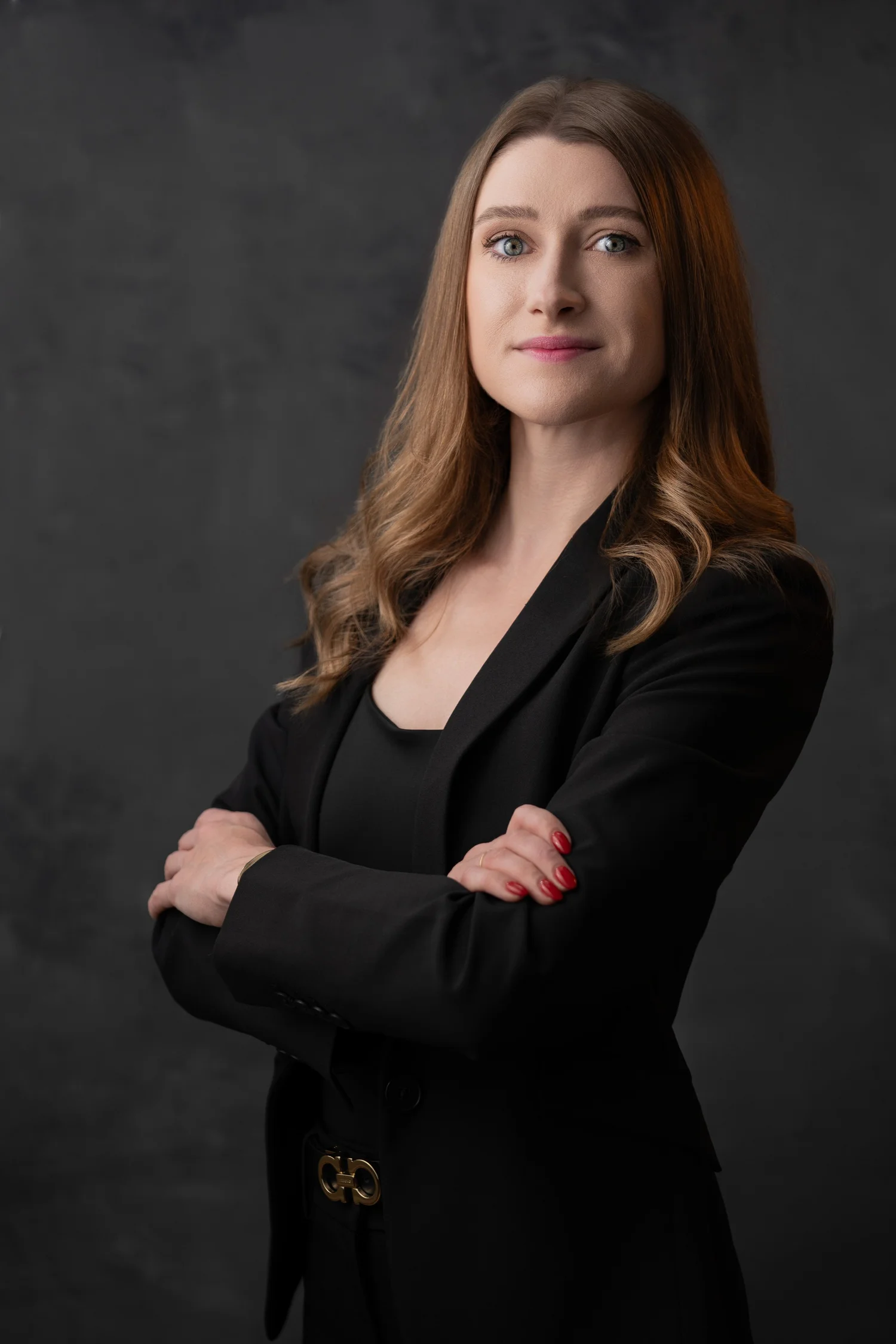
LinkedIn rewards a face that looks like the person who shows up to the meeting. Recruiters scroll past avatars that were clearly generated by an app, and hiring managers note the gap between the rendered jawline and the real one across the interview table. A photograph made by a working photographer in Detroit costs less than most people assume and lasts three to five years on the profile. This guide walks through the math, the prep, and the booking, with the addresses, prices, and phone numbers you need to act today.
## What a real LinkedIn headshot actually is
A LinkedIn headshot is a tight portrait from the sternum up, lit so the eyes catch a small reflection and the skin reads as skin. The frame holds the head and shoulders with a slim margin of background above the hair, and the eye line sits about a third of the way down. The background is clean, usually a neutral gray, soft white, or a defocused interior, and the wardrobe sits within one or two stops of the background tone so the face is the brightest object in the picture. Resolution matters less than people think; LinkedIn displays the avatar at 400 by 400 pixels, but recruiters open the full size and so do conference organizers, podcast hosts, and journalists.
A real headshot is made by a person who watches your face for forty minutes and tells you which angle of your jaw photographs better than the other. The photographer adjusts the light when your shirt collar throws a shadow, hands you a different stool when your shoulders climb to your ears, and shoots a hundred frames so you have ten to choose from. An AI generator does none of that. It takes a selfie, hallucinates a synthetic version of your face, and prints a person who is not you onto a corporate background that does not exist. Recruiters now flag those images. So do clients, board members, and the people who used to invite you to speak.
## The price, plainly
Our in-studio rate is $149 for the first image and $99 for each additional final image, delivered retouched within twenty-four hours. Most LinkedIn users buy one or two; executives who need a separate horizontal crop for the banner buy three. On-location work, where the photographer drives to your office or to a location you choose, runs $299 an hour with a one-hour minimum and the same per-image pricing on top. Hair and makeup, performed in our studio by a working MUA before the shoot, costs $175 and pays for itself in retouching time saved.
Compare those numbers to the AI services that charge $35 to $89 for a batch of generated images. The hidden cost is the meeting where someone realizes the photo is not you. A real session takes thirty to sixty minutes, produces a file you own outright, and gives you a portrait you can use on the company website, the conference badge, and the press release without re-licensing or re-rendering. The studio sits at 2921 East Jefferson Avenue, Suite 101, Detroit, MI 48207, three minutes from the Renaissance Center and ten from Midtown.
## Booking the session
Call (313) 351-8244 or book online at detroitphotography.com. Same-week appointments are usually available, and we hold Saturday slots for people who cannot leave the office during the week. Tell us, when you book, whether the headshot is for LinkedIn alone or also for a website, a speaker page, or a press kit, because the crop and the wardrobe choice change with the use. Tell us also if you are bringing a team. Group rates kick in at five people and we run efficient back-to-back sessions for executive cohorts, law firm partners, and board portraits.
Park in the surface lot directly behind the building, take the elevator to the first floor, and walk to Suite 101. The waiting area has a mirror, a steamer, and a rack for the wardrobe you bring. We pour coffee and let you decompress for ten minutes before the camera comes out, because faces tense up when people walk in from traffic and the first ten frames of a rushed session are always unusable.
## What to wear
Wear a solid color in a tone you would describe to a friend without hesitation, the kind of shirt or jacket your closest colleague would recognize as yours. Navy, charcoal, forest green, burgundy, and slate read well against our standard gray background and hold their color under tungsten and daylight-balanced light. Avoid pure white, which blooms, and avoid pure black, which collapses into a silhouette and erases the line of the shoulder. Patterns under a quarter inch, including pinstripes and small checks, create moire on a digital sensor and force expensive retouching, so leave the houndstooth jacket at home.
Bring two options, both pressed, both on hangers, and bring a lint roller. Women should bring jewelry they wear regularly, not the heirloom that lives in the safe, because the camera reads the discomfort of a borrowed necklace. Men should bring a tie they have already knotted a hundred times, because a fresh knot photographs awkwardly. If you wear glasses every day, wear them in the picture; the photograph should match the face that walks into the meeting, not a sanitized version of it.
## Prep the day before and the morning of
Sleep eight hours the night before, drink a liter of water before bed, and skip the second glass of wine. Puffiness around the eyes is the single most common problem we retouch, and it is the one you can solve for free. Men should shave the morning of the shoot, not the night before, because stubble shadows photograph as a five o'clock gray that ages the face by five years. Men with beards should trim the neckline and the cheek line the day before so the shape is intentional and the edges are sharp.
Women who wear makeup daily should apply slightly more than usual, because studio light is bright and washes out subtle work. Foundation should match the jawline, not the cheek, and blush should sit slightly higher than the everyday application. If you are unsure, book the $175 HMUA add-on; our makeup artist has done thousands of headshots and knows exactly how much to put on for a Sony A7R V at f/4. Skip the spray tan. The camera reads orange where the eye reads bronze, and the retouching to correct it costs more than the tan did.
## What happens during the shoot
We sit you on an adjustable stool, set the key light at forty-five degrees off the nose, and add a soft fill on the shadow side to keep the contrast within a range that flatters every skin tone. The photographer talks the entire time, calling out small adjustments to the chin, the shoulders, the weight, and the breath, because a portrait is made by the muscles of the face and those muscles respond to instruction. We tether the camera to a monitor and turn the screen toward you every ten minutes, so you see what is working and what is not and you leave the studio knowing you got the shot.
A typical session runs forty-five minutes and produces between eighty and a hundred and twenty frames. We narrow those to twenty in front of you and let you pick your favorites before you leave. Retouching, which includes skin smoothing within reason, stray hair removal, collar correction, and a color grade matched to LinkedIn's display profile, is finished within twenty-four hours and delivered as a high-resolution JPEG and a 400 by 400 web crop. You own the files. We license nothing back.
## Who we have shot for
Our headshot clients include IBM, the Detroit Symphony Orchestra, General Motors, the City of Detroit, FORVIA, Eli Lilly, and Henry Ford Hospital. The work appears on LinkedIn, on annual report pages, on conference websites, and in the bylines of executives who needed a portrait that would hold up at any size on any screen. Corporate clients hire us because the f
Ready for Professional Headshots?
Book a session at our Bagley Mansion studio. Starting at $149 with unlimited time, wardrobe changes, and hand-painted backdrops.